
Paid Disability Support Worker Training in Australia: Launch Your Career with Skills and Earnings
Becoming a disability support worker in Australia isn’t just a job — it’s a chance to make a real difference in people’s lives while building a stable career in a sector with strong growth. With the rise of community-based care and the National Disability Insurance Scheme (NDIS), demand for trained support workers remains high. For many people, the best way to enter this industry is through structured training pathways that let you earn while you learn, gain formal qualifications, and step directly into paid work upon completion.
What Is Paid Disability Support Worker Training?
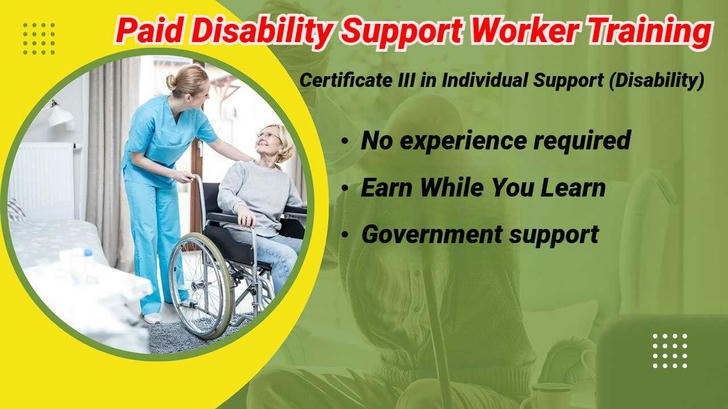
Paid Disability Support Worker Training is a practical career pathway in Australia that allows people to earn an income while gaining the skills and qualifications needed to work in the disability support sector. Instead of studying first and job-hunting later, participants are employed by a care provider and complete structured training—most commonly the Certificate III in Individual Support (Disability)—at the same time. Training is delivered through a mix of on-the-job experience, supervised placements, and formal coursework, so learners can immediately apply what they’re studying in real support settings. Throughout the training period, participants receive a regular wage, hands-on mentoring, and industry-recognized credentials, making this pathway especially attractive for career changers, job seekers, and anyone looking for stable, meaningful work in Australia’s growing disability care sector.
Real Paid Disability Support Worker Training Program
One standout pathway is the Disability Support Worker Traineeship offered through Anglicare Tasmania, where you combine work, study and real paid experience. The traineeship is an ongoing part-time role that gives you both a qualification and a salary from.
How it works:
You’ll be employed part-time (minimum ~15 hours per week) while undertaking the Certificate III in Individual Support (Disability) over about 12 months.
Training includes approximately 20 hours of study per week, plus 120 hours of work placement under supervision — all integrated with your job.
Earnings during training:
While completing the course, you earn a generous above-award wage — typically around $27.97 per hour as a trainee. Once you finish the qualification, this can increase to about $34.90 per hour, with penalty rates for weekend work also paid.
Day-to-day role:
The work covers a wide range of meaningful support tasks, including personal care (such as showering and grooming), helping with meals, managing medications, assisting with transport, record-keeping and supporting clients to stay active in their community.
Minimum requirements:
You must have valid Australian working rights and residency status.
A driver’s licence and reliable vehicle are often required.
You’ll need relevant checks such as Working with Vulnerable People registration and a National Police Check before beginning.
How to apply:
Applications can be submitted online via Anglicare’s careers page, or you can contact their HR team directly via email or phone to discuss potential openings.
Why Choose a Career as a Disability Support Worker?
Meaningful, People-Focused Work
Support workers play a direct role in improving quality of life, helping individuals live more independently and with dignity.
Strong Job Demand Across Australia
With ongoing growth in the disability sector, qualified support workers continue to be in high demand nationwide.
Stable Income and Flexible Work Options
Opportunities often include regular hours, shift flexibility, and the ability to work across different care settings.
Clear Career Progression
Disability support work can lead to senior roles, specialised support positions, or further study in health and community services.
Frequently Asked Questions (FAQ)
Q1: Do I need previous experience to become a Disability Support Worker?
No prior experience is required for many training pathways. Most programs are designed for beginners and focus on learning practical skills on the job.
Q2: How long does Disability Support Worker training usually take?
Training length depends on the program, but many structured training or traineeship pathways take several months to complete while working and earning at the same time.
Q3: Will this training help me find ongoing work?
Yes. Disability support is a growing sector in Australia, and many training pathways are linked directly to employers who need staff.
Q4: Are there opportunities to grow beyond entry-level roles?
Absolutely. Many support workers progress into senior support roles, specialised care, team leadership, or further qualifications in health and community services.